Cart
0
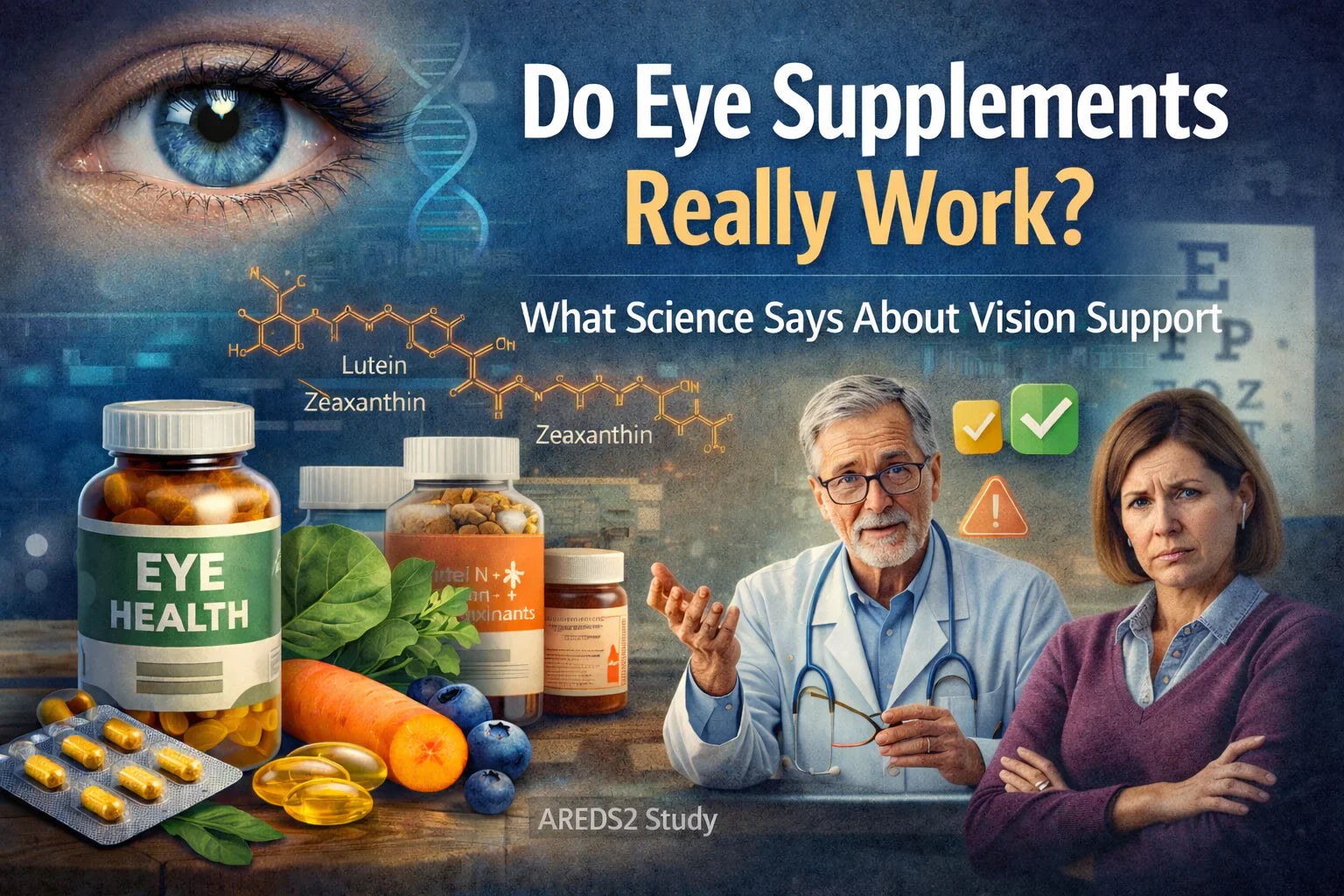
Eye health is a concern for many adults, especially as age-related vision issues become more common. Eye supplements often promise to protect and improve vision, but do they really work? This post explores what research reveals about popular ingredients like lutein, zeaxanthin, and other antioxidants for eyes. Understanding the facts helps separate responsible vision support supplements from hype-driven claims.
What Research Shows About Lutein and Zeaxanthin
Lutein and zeaxanthin are carotenoids found naturally in the retina, particularly in the macula, the part of the eye responsible for sharp central vision. Studies have shown these nutrients play a key role in filtering harmful blue light and protecting eye cells from oxidative stress.
-
Lutein benefits for eyes include reducing the risk of age-related macular degeneration (AMD), a leading cause of vision loss in older adults.
-
Research such as the Age-Related Eye Disease Study 2 (AREDS2) found that supplements containing lutein and zeaxanthin can slow the progression of AMD in people with moderate to advanced disease.
-
Zeaxanthin eye health benefits are similar, often working alongside lutein to support the macula’s protective pigment density.
These findings highlight the importance of these carotenoids as part of a vision support supplement, especially for adults at risk of AMD.
What Supplements Can Help With Vision Health
Eye supplements containing lutein, zeaxanthin, vitamin A, bilberry extract vision compounds, and other antioxidants for eyes can provide several benefits:
-
Supporting macular health: Lutein zeaxanthin supplements help maintain the density of macular pigment, which protects against light-induced damage.
-
Reducing oxidative stress: Antioxidants like vitamin A eye health compounds and bilberry extract help neutralize free radicals that damage eye tissues.
-
Improving visual performance: Some studies suggest these supplements may enhance contrast sensitivity and reduce glare, improving overall visual comfort.
-
Slowing progression of AMD: Supplements with the right combination of nutrients can slow vision loss in people with early or intermediate AMD.
Choosing the best lutein supplement involves looking for products with clinically studied doses of lutein and zeaxanthin, often combined with vitamins C, E, zinc, and copper for comprehensive eye health support.
What Supplements Cannot Fix
While eye supplements offer support, they are not a cure-all. It is important to understand their limitations:
-
Supplements cannot reverse advanced eye diseases such as late-stage AMD or glaucoma.
-
They do not replace prescription treatments or surgery when needed.
-
Supplements cannot fix refractive errors like nearsightedness, farsightedness, or astigmatism.
-
They do not restore vision lost from trauma or retinal detachment.
Eye supplements for vision are best seen as part of a prevention or maintenance strategy rather than a treatment for existing serious conditions.
Prevention Versus Treatment in Eye Health
Understanding the difference between prevention and treatment is key when considering eye health supplements:
-
Prevention: Taking a natural eye supplement vs prescription medication often means focusing on maintaining eye health before serious problems develop. Supplements rich in lutein and zeaxanthin can help protect the eyes from oxidative damage and reduce the risk of AMD.
-
Treatment: Prescription eye drops, medications, or surgeries are necessary for managing diagnosed eye diseases. Supplements may support overall eye health but should not replace medical treatment.
This distinction helps consumers make informed choices and avoid unrealistic expectations from eye vitamins comparison or marketing claims.
Choosing the Best Eye Supplement for Adults
With many options available, selecting the best eye supplement 2026 requires attention to ingredient quality and scientific backing:
-
Look for products with clinically supported doses of lutein and zeaxanthin.
-
Consider supplements that include additional antioxidants for eyes such as vitamin A, vitamin C, vitamin E, zinc, and bilberry extract vision compounds.
-
Check for third-party testing and transparent labeling.
-
Avoid products that promise quick fixes or cure-all results.
Comparing natural eye supplement vs prescription options should focus on your specific eye health needs and consultation with an eye care professional.
Final Thoughts on Eye Supplements and Vision Health
Research supports the role of lutein and zeaxanthin in protecting eye health, especially for preventing or slowing age-related macular degeneration. These nutrients, combined with antioxidants for eyes like vitamin A and bilberry extract, form the foundation of effective vision support supplements.
However, supplements cannot replace medical treatment for serious eye conditions or correct vision problems like refractive errors. They work best as part of a prevention strategy to maintain eye health over time.
Choosing the best lutein supplement means looking for products backed by science and avoiding hype-driven claims. This approach reflects a responsible commitment to eye health, helping adults make informed decisions about their vision support supplement options.